- +255 689 111313
- info@naturetanzania.or.tz

BIRD OF THE YEAR
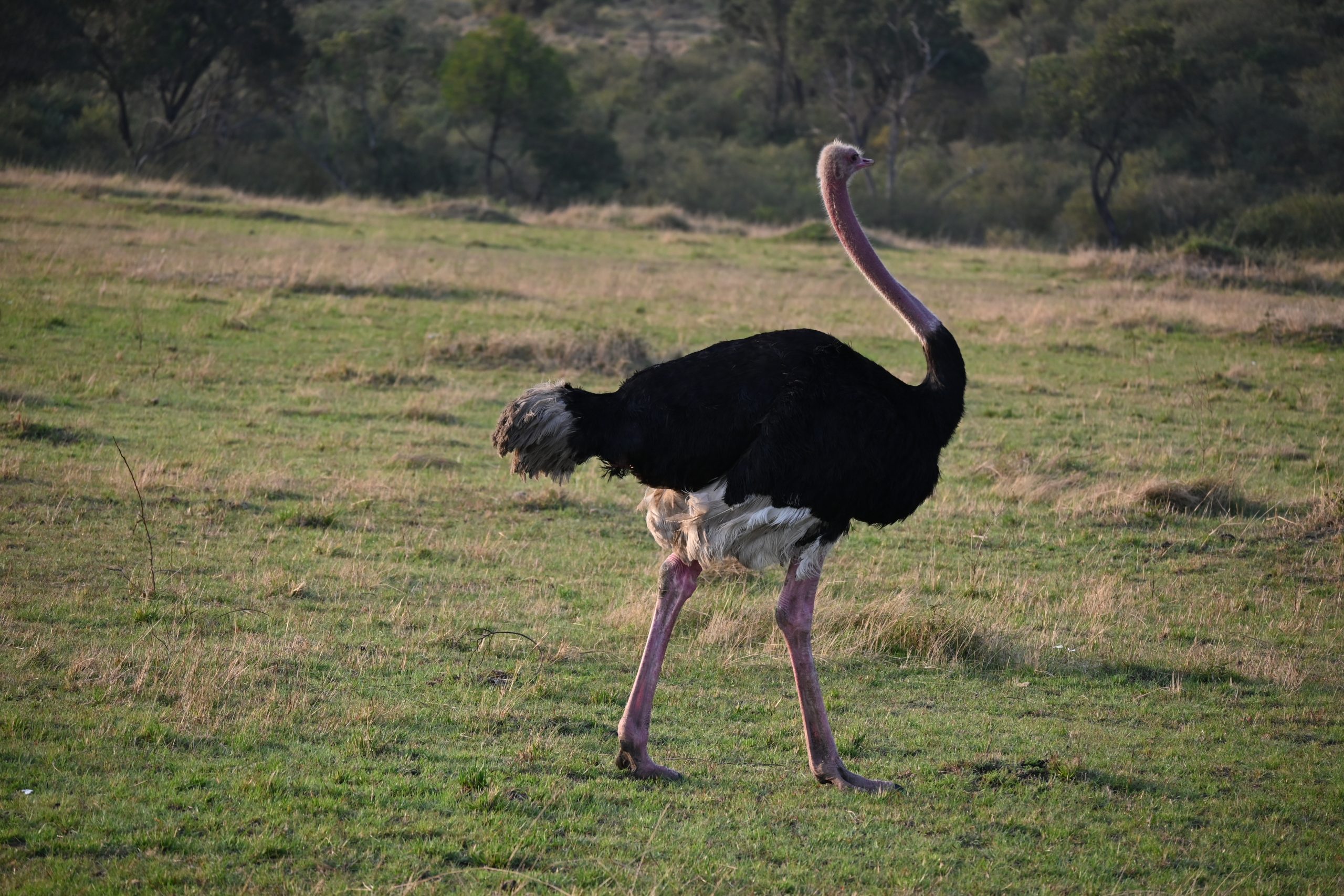
Common Ostrich
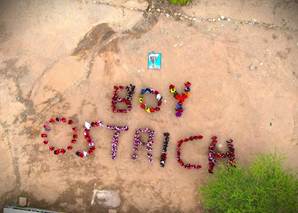
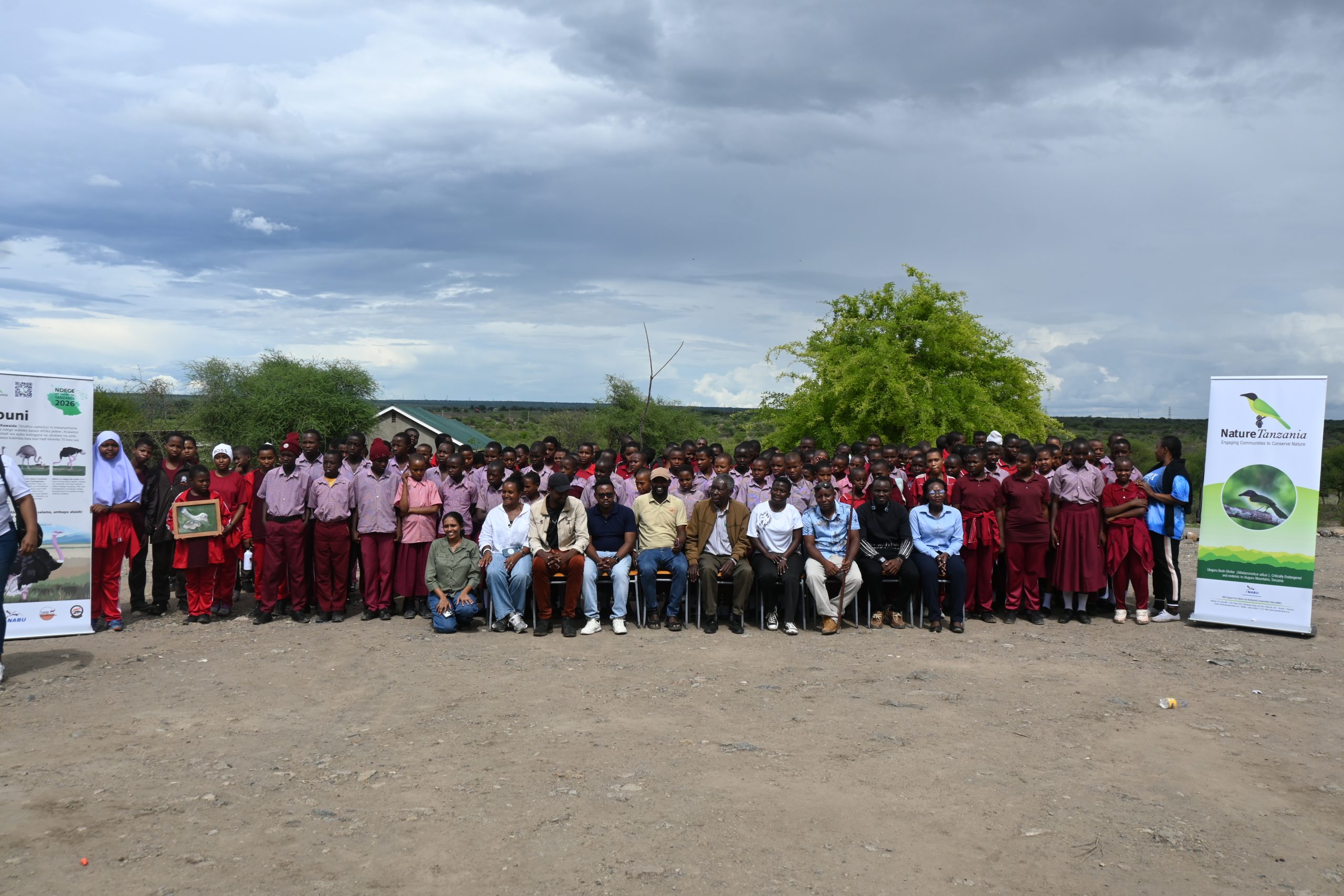
Nature Tanzania has officially launched the 2026 Bird of the Year campaign, announcing the Common Ostrich (Struthio camelus) as this year’s ambassador species under the theme “Rangelands Are Not Wastelands.” The launch event took place at Manyara Secondary School, Makuyuni, bringing together students, teachers, conservationists, and community representatives to celebrate Tanzania’s unique biodiversity and highlight the ecological importance of rangelands.
Background of the 2026 Theme: “Rangelands Are Not Wastelands”
The theme “Rangelands Are Not Wastelands” was selected in response to the increasing threats facing grasslands and rangelands in Tanzania, which are often undervalued and mischaracterized as empty or unproductive landscapes. In reality, rangelands are among the most biologically and economically important ecosystems in the country. Across northern and central Tanzania, extensive grasslands support diverse wildlife populations, including iconic birds such as the Denham’s Bustard, Common Ostrich, Kori Bustard, Southern Ground Hornbill, Secretarybird and many more. These landscapes also sustain pastoralist communities whose livelihoods depend on healthy grazing systems.
However, Tanzania’s rangelands are increasingly under pressure from land conversion for agriculture, settlement expansion, infrastructure development, and unsustainable land-use practices. These pressures are contributing to habitat degradation, fragmentation, and declining wildlife populations, including several bird species that rely on open grassland habitats.
Nature Tanzania selected this theme to raise awareness that rangelands are productive ecosystems that provide critical ecological services, including supporting wildlife biodiversity, sustaining pastoralist livelihoods, maintaining soil health and preventing land degradation, storing carbon and contributing to climate resilience and regulating water cycles across landscapes.
The United Nations declared 2026 as the International Year of Rangelands and Pastoralists (IYRP), which emphasizes the importance of sustainable rangeland management and the role of pastoralist communities in protecting these ecosystems.
Public Voting Selects the Common Ostrich
The Common Ostrich was selected as Tanzania’s Bird of the Year 2026 following both online and offline public voting organized by Nature Tanzania. The campaign invited citizens, students, conservation supporters, and communities to participate in choosing a flagship species that represents the importance of rangeland ecosystems.
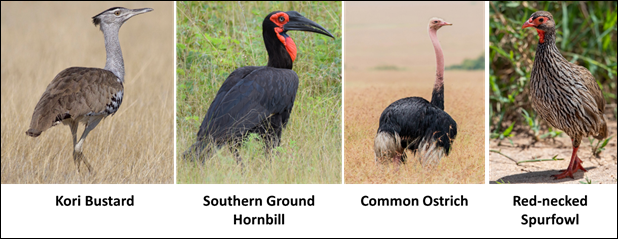
Four bird species associated with Tanzania’s rangelands were nominated for the vote viz., Common Ostrich, Kori Bustard, Red-necked Spurfowl, and Southern Ground Hornbill. After counting votes collected through online system, community outreach events, schools, and digital platforms, the Common Ostrich emerged as the clear winner by 38.92%. As the world’s largest bird and a well-known inhabitant of African grasslands and savannah ecosystems, the ostrich represents the health and openness of rangeland habitats
Goals of Nature Tanzania for the 2026 Campaign
Through the Bird of the Year campaign, Nature Tanzania aims to strengthen awareness and community engagement in rangeland conservation, particularly among pastoralist communities who are key stewards of these landscapes. The organization’s main goals for 2026 includes
- Raising Awareness Among Pastoralist Communities
Nature Tanzania will conduct outreach activities with pastoral groups to highlight the ecological and economic value of rangelands. These efforts will emphasize that well-managed grazing systems can support both livestock production and wildlife conservation.
Awareness activities will focus on the importance of maintaining healthy grasslands, the role of pastoralists as custodians of rangeland ecosystems, the connection between rangeland health, livestock productivity, and biodiversity conservation and the importance of birds as indicators of ecosystem health
- Promoting Sustainable Rangeland Management
Through community engagement, Nature Tanzania will encourage practices that help maintain the productivity and resilience of rangelands. Sustainable management can help prevent overgrazing, maintain vegetation cover, and preserve habitat for wildlife species that depend on open landscapes.
- Conducting Scientific Surveys in Rangelands
We also plan to work closely with pastoral communities to conduct three scientific surveys in selected rangeland areas. These surveys will assess the presence and diversity of birds and other wildlife species that depend on rangeland ecosystems.
The surveys will help document bird species using pastoral landscapes, assess wildlife population trends, identify important rangeland habitats for conservation, and strengthen community participation in biodiversity monitoring. The findings will contribute to better understanding how rangelands support biodiversity and how pastoral land-use practices can coexist with wildlife conservation.

Inspiring the Next Generation
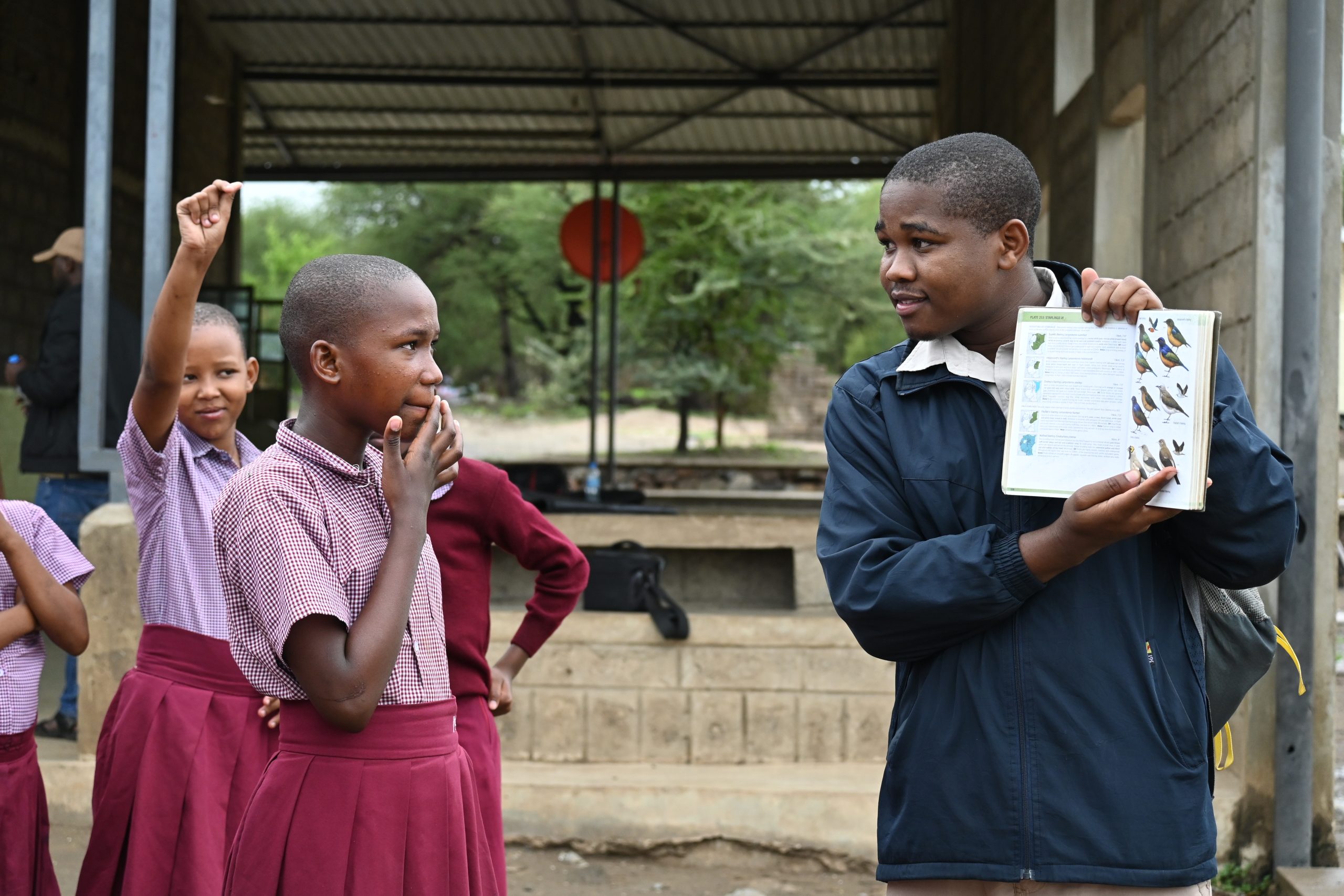
The launch at Manyara Ranch Primary School reflects Nature Tanzania’s commitment to involving young people in conservation efforts. By engaging students in discussions about rangelands, wildlife, and sustainable land management, the Bird of the Year campaign aims to inspire the next generation to appreciate and protect Tanzania’s natural heritage.
Looking Ahead
With the Common Ostrich as the ambassador species for 2026, Nature Tanzania hopes the campaign will spark national conversation about the value of rangelands. By working with communities, students, and conservation partners, the initiative aims to demonstrate that rangelands are living ecosystems that support both people and wildlife — and they must be protected for future generations.